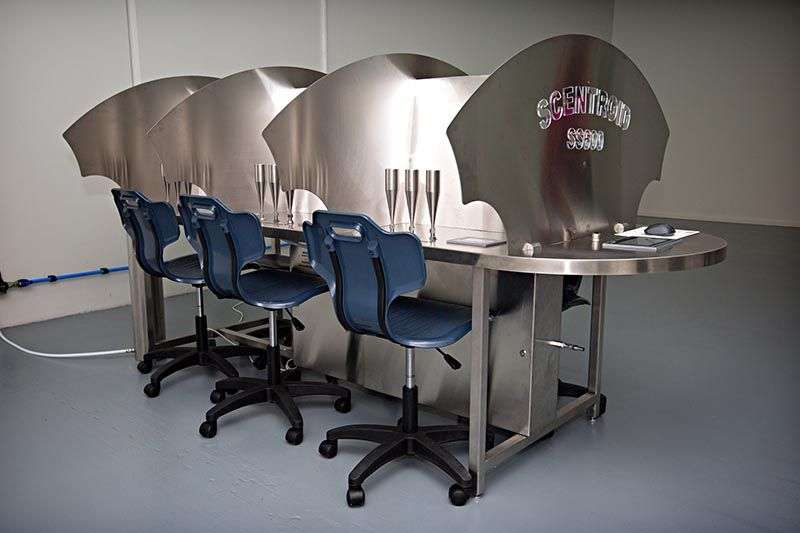
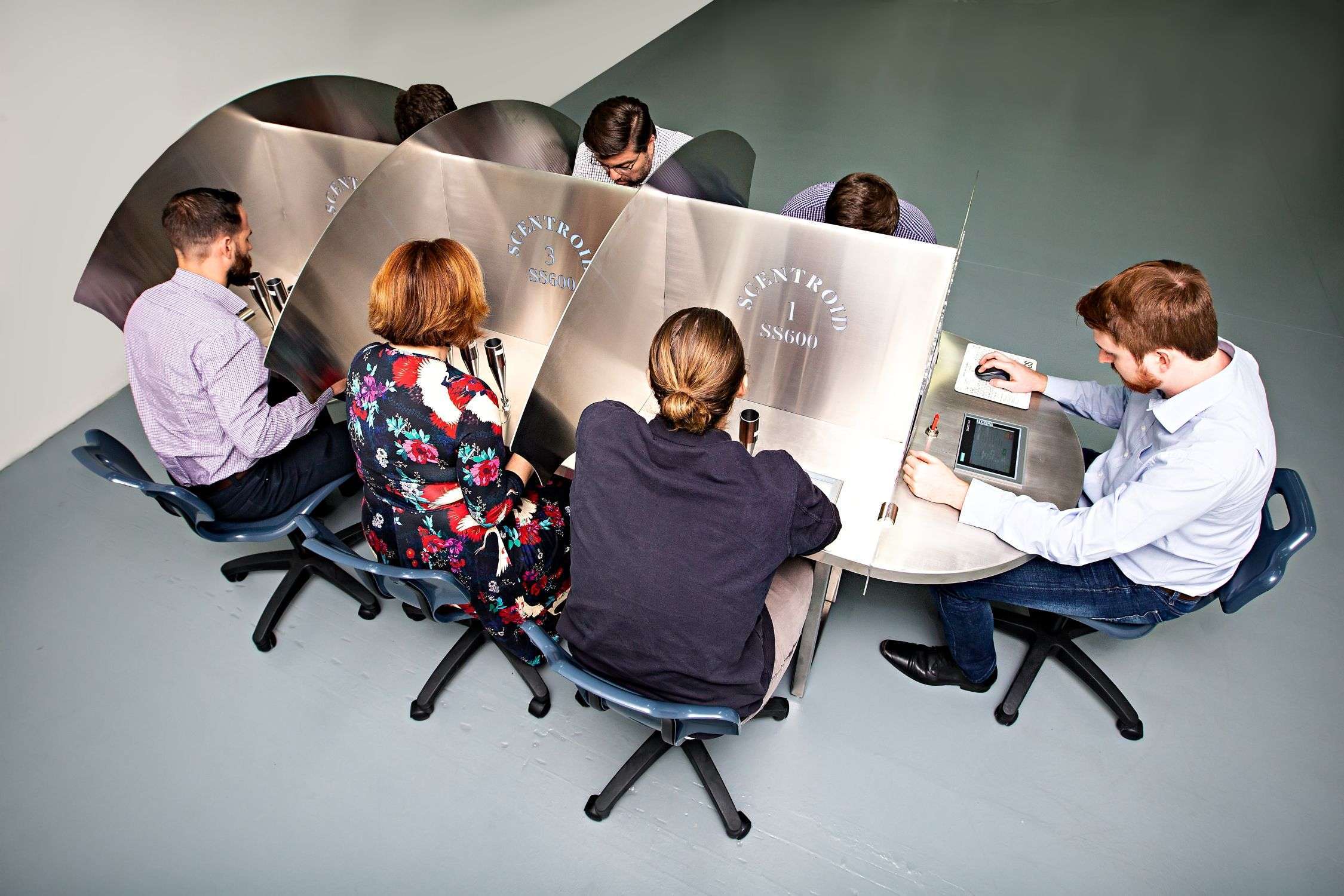
Dynamic Olfactometry Testing
We perform dynamic olfactometry using validated equipment, controlled dilution sequences and strict QA checks. Results are suitable for dispersion modelling, impact assessment and compliance reporting.

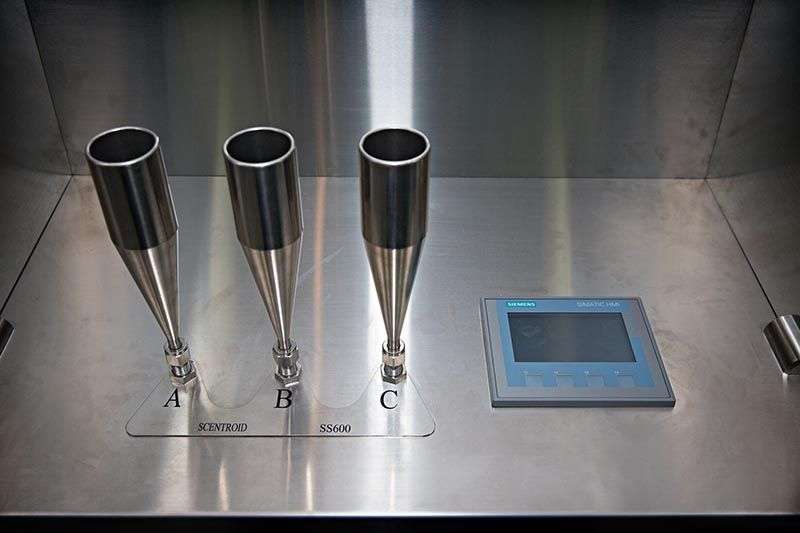
Air Environment operates an in-house odour testing laboratory to support high-stakes odour investigations, approvals and complaint response. Our laboratory is NATA accredited operationally to ISO/IEC17025 and the dynamic olfactometry testing standard AS EN13725. By controlling the full sampling and testing workflow, we deliver reliable datasets, consistent methods and clearer interpretation for decision-makers.
We perform dynamic olfactometry using validated equipment, controlled dilution sequences and strict QA checks. Results are suitable for dispersion modelling, impact assessment and compliance reporting.
We collect representative odour samples from stacks, area sources and fugitive emission points using documented sampling procedures. Chain of custody and sample handling are digitally managed to protect data integrity.
We translate laboratory results into practical assessment inputs for odour dispersion modelling and impact evaluations. This helps define risk, compliance margins and priority mitigation areas.
We manage an assessor panel program with screening, performance monitoring and ongoing calibration. This supports consistent, defensible olfactometry and field odour surveillance program outcomes.
Not all odours are created equal. The concentration of an odour is only one important piece of the puzzle. How the odour’s intensity and hedonic tone is perceived at different concentrations is critical to understanding how people react to smells. Where required, we assess odour intensity and hedonic tone to better describe and understand these perceptions. This supports risk- based interpretation and communication of likely impacts.
We deliver clear reports that document methods, assumptions and results in a review ready format. Outputs are suitable for councils, regulators, licence submissions and independent technical review.
The integration of in-house laboratory capabilities ensures complete control over data quality, testing timelines, and assessment outcomes - delivering the technical rigour required for successful project approvals and ongoing compliance management.

Advanced olfactometry equipment and streamlined laboratory procedures enable significantly faster odour panel sessions with higher sample throughput. This efficiency translates directly to reduced costs and timelines from field sampling to final results, so projects can respond quickly and keep approvals moving.

Higher sample volumes per testing session generate statistically robust datasets that improve both accuracy and reliability of odour assessments. Standardised methods, controlled laboratory environments, and minimised sample handling reduce variability while ensuring consistent, repeatable results that withstand rigorous technical scrutiny.

Robust emission datasets with extensive data points strengthen the foundation for odour dispersion modelling and comprehensive risk assessments. This enhanced data quality enables more defensible impact assessments that support confident decision-making throughout regulatory review processes and potential legal challenges.

AS EN 13725 requires samples to be analysed within 30 hours of collection. When sampling and analysis sit with the same team, the panel session is booked around the field program rather than the other way around. No freight risk, no waiting on a third-party laboratory's schedule, and no samples written off because they arrived an hour late.

Andrew’s reporting and evidence provided to the court was thorough, clear, compelling and to the point and resulted in the client achieving a successful outcome.

I would recommend Air Environment for any matter involving the detailed analysis and interpretation of meteorological data and the development of atmospheric meteorological models.

Nice work!
Andrew and the team proved to be very flexible and responsive in accommodating changes and providing strategic and technical advice. I would highly recommend Air Environment and will certainly use them again.