Odour impact assessment
Independent assessment to quantify potential impacts and support defensible decisions for approvals, licensing and community concerns.
Field odour surveillance, NATA-accredited olfactometry and dispersion modelling for approvals, licensing and complaint response across Australia.
Odour issues can escalate quickly. Complaints, approvals and compliance pressure often arrive before the evidence does. Air Environment provides independent odour science to help operators, project teams and regulators understand what is happening and what to do next. We support odour impact assessment, odour source sampling and field ambient monitoring, dispersion modelling and practical management plans. Our focus is clear outcomes, transparent methods and reporting that stands up to scrutiny.
Odour work rarely starts with a plan. It usually starts with a phone call, and the situation is already moving.
The immediate need is to stabilise the situation and show you are taking it seriously. We help identify the likely drivers quickly, recommend practical interim actions, and design a credible evidence path so the next conversation with the regulator is about your plan rather than your silence.
Planning authorities want to know the impact at sensitive receptors before approval, not after. We build the emission inputs, run dispersion modelling against the criterion that applies in your jurisdiction, and document the assumptions so a reviewer can follow them.
Licence variations often trigger a fresh look at odour, particularly where the surrounding land use has changed since the original approval. We assess what has actually shifted and what the evidence now supports.
Where odour sets the limit on throughput, the question is which sources to control and in what order. We quantify source contributions so capital goes to the sources that actually move the result.
We provide independent technical review of odour assessments, monitoring programs and modelling, whether you commissioned the original work or you are on the other side of it.
All of our senior consultants have given expert testimony where the technical evidence was contested. Written opinions are structured for that scrutiny from the start, not retrofitted for it later.
Independent assessment to quantify potential impacts and support defensible decisions for approvals, licensing and community concerns.
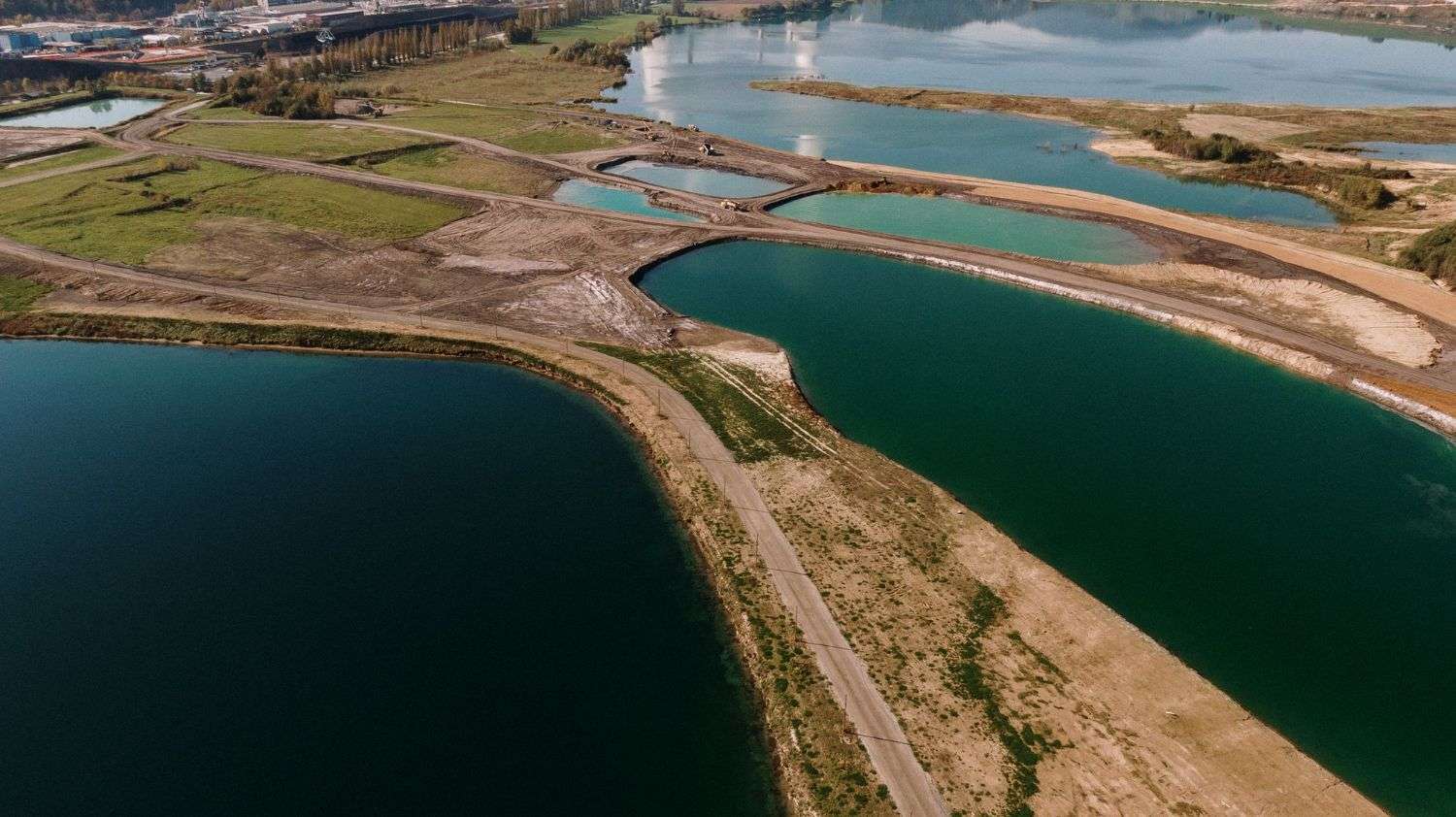
Fit-for-purpose sampling programs feeding NATA-accredited dynamic olfactometry, so modelling and assessment start from reliable numbers.
Field odour surveillance that provides credible evidence of real-world conditions and identifies the patterns and triggers behind complaints.
Modelling that links sources, meteorology and terrain to predicted impacts at sensitive places, with transparent assumptions and clear reporting.
Risk-based interpretation connecting odour results to consequence, likelihood and uncertainty, so the decision is about action rather than numbers.
Technical support for EPL applications, variations and compliance, with clear guidance on the criteria and standards that apply in your jurisdiction.
Practical plans that turn findings into monitoring schedules, trigger levels and response actions aligned to licence and approval conditions.
Independent opinions, expert witness services and technical review of other consultants' odour work where credibility will be tested.
The most common question we are asked is why a site that meets its odour criterion still generates complaints. The answer is almost always in the four factors that a concentration number does not capture.
Swipe the diagram sideways to see all five factors.
We clarify what must be proven and what the project needs to achieve.
Monitoring, sampling and modelling designed to be credible and efficient.
We interpret results, test assumptions and quantify uncertainty where needed.
Regulator-ready reporting, stakeholder clarity, and support through next steps.
Andrew’s reporting and evidence provided to the court was thorough, clear, compelling and to the point and resulted in the client achieving a successful outcome.

I would recommend Air Environment for any matter involving the detailed analysis and interpretation of meteorological data and the development of atmospheric meteorological models.

Andrew and the team proved to be very flexible and responsive in accommodating changes and providing strategic and technical advice. I would highly recommend Air Environment and will certainly use them again.

Odour work usually pulls in the laboratory, the meteorology or the modelling. Our air quality consultants can carry the whole scope with one team.
Common questions about odour assessment, criteria, complaint investigation and what evidence regulators actually expect.
Because a licence criterion is expressed as a concentration at a percentile, and complaints are driven by frequency, intensity, duration, offensiveness and location together. A short, sharp, highly offensive release at a sensitive receptor generates more complaints than a steady low-level emission with a higher reported concentration. Investigating complaints against all five factors usually explains a pattern that the modelling alone does not.
It depends on the jurisdiction, the guideline being applied and, in several states, on how many people live nearby, with the criterion tightening as population density rises. Criteria are normally expressed as an odour concentration at a high percentile at sensitive receptors, using a short averaging period. We confirm the applicable criterion and percentile before scoping, because assessing against the wrong one is the most expensive mistake available.
By combining field odour surveillance with wind and stability data and source sampling. Surveillance records what is detectable, where and when. Meteorological data narrows which sources could have been upwind at that moment. Sampling quantifies what each candidate source is emitting. Any one of the three on its own tends to produce a theory rather than an answer.
Trained observers record odour character, intensity and duration at set locations on a set schedule, alongside the weather at the time. It produces evidence of real-world conditions rather than predicted ones, which is what regulators and communities usually want to see when there is a dispute about whether an impact exists at all.
No, and it is rarely worth it. We prioritise sources on their likely contribution to impacts at receptors, not on how easy they are to reach. A screening assessment usually narrows a long list to the few sources that will determine the result, and the sampling budget goes there.
It translates assessment findings into monitoring schedules, trigger levels, response actions and reporting. Regulators commonly require one as a licence or approval condition, particularly after a complaint history. A useful plan names the specific sources, the specific conditions that raise risk, and who does what when a trigger is reached.
Yes. The priority is stabilising the situation and demonstrating a structured response. We help clarify the likely drivers, recommend practical immediate actions, and design a credible evidence path so the next conversation with the regulator is about your plan.
It depends on whether monitoring is needed. A modelling assessment using existing emission data can move in weeks. Where field surveillance is required, the program needs to run long enough to capture the conditions that matter, which usually means covering more than one season. We scope the shortest defensible program rather than the longest fundable one.
Defensible work is transparent and review-ready. We document assumptions, use fit-for-purpose methods, apply quality checks, and present conclusions clearly so regulators and stakeholders can follow how we reached them.
Yes. We deliver air consulting services across Australia, including regional and remote sites, and have supported international projects for clients across Asia-Pacific, the Middle East, and North and South America.