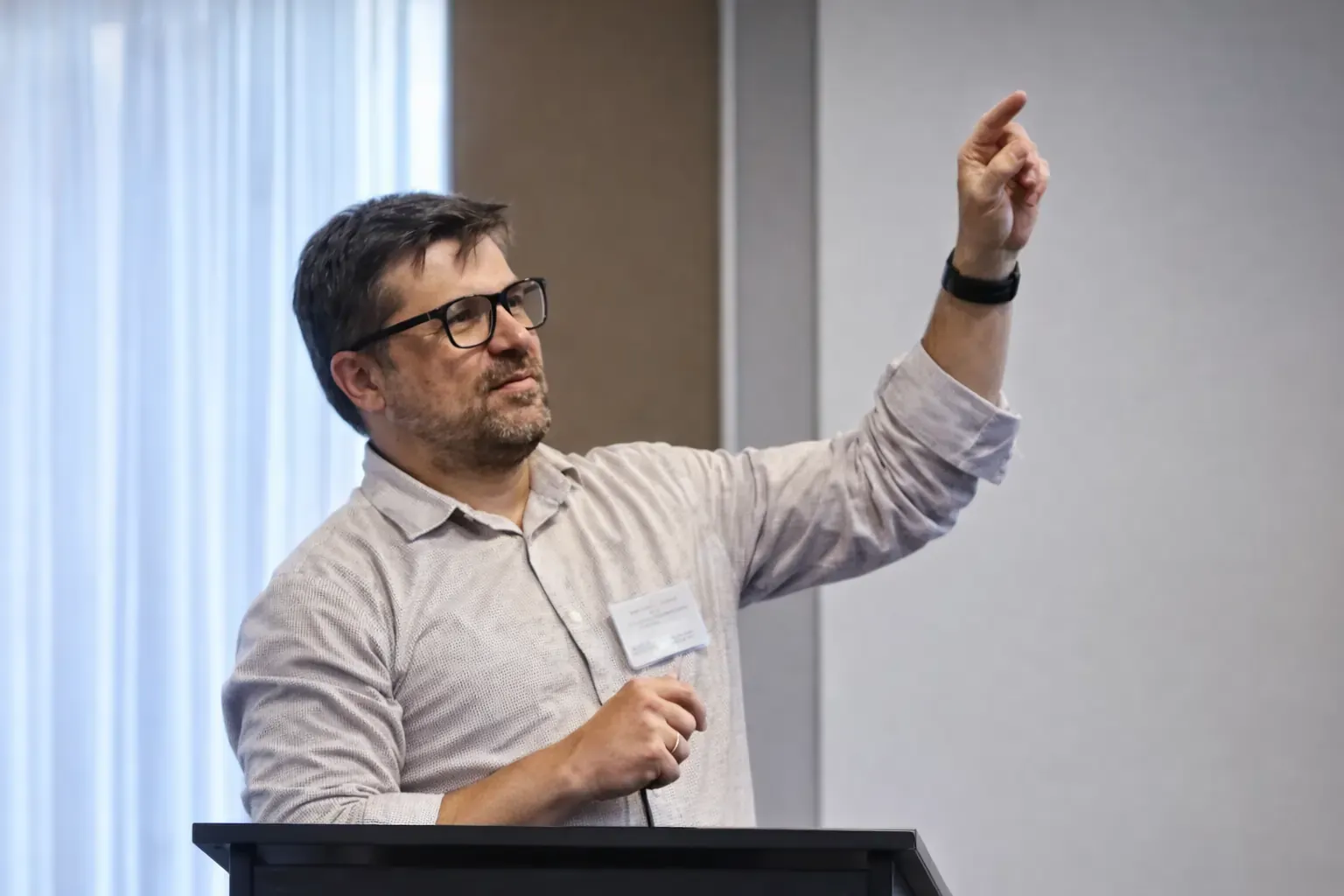
It was a privilege to present at the 2021 Food Conference in South Brisbane, where I shared insights on managing odour issues within the food production sector. The core message of the session was clear: proactive solutions are consistently faster, cheaper, and more effective than reactive ones.
While the conference touched on diverse topics like COVID-19 tracing and listeria risks, the focus of our presentation remained on the science of odour impact assessment and how facilities can stay ahead of community concerns.
The Science of Odour Perception
Odour is more than just a smell. In a professional context, we assess it based on the FIDOL factors:
- Frequency: How often the odour occurs.
- Intensity: Measured in Odour Units (ou), ranging from subtle to extremely strong.
- Duration: How long the scent lingers in the air.
- Offensiveness: The hedonic tone or the inherent unpleasantness of the smell.
- Location: The proximity of the facility to sensitive receptors like residential areas.
In regions like Queensland, the annoyance threshold is typically based on a concentration of 5 ou. Understanding these metrics allows a facility to move from guesswork to scientific management.
Identifying the Sources
Odour emissions can occur at any stage of the food production lifecycle:
- Primary Phase: Handling raw materials, poultry farms, piggeries, and feed mills.
- Secondary Phase: Processing activities including abattoirs, coffee roasting, bakeries, and confectionery production.
- Tertiary Phase: Waste management, wastewater treatment, and logistics.
Common emission points often include process vents, building leaks, wastewater ponds, and even the exhausts of existing odour control devices.
Advanced Assessment Tools
To address a complaint effectively, you must first measure the impact. We utilise several scientific methods to build an accurate emissions profile:
- Dynamic Olfactometry: Laboratory testing using a calibrated human panel to determine odour concentration.
- Air Dispersion Modelling: Simulating how weather patterns and local topography spread odours to predict ground-level concentrations.
- Field Ambient Surveys: Real-world measurements taken downwind to assess the plume reach and intensity.
- Community Odour Diaries: Engaging local residents to record observations, which helps correlate site activities with reported nuisances.
Moving Toward Mitigation
Once the source and impact are identified, facilities can implement targeted controls. This might include end of pipe solutions like biofilters, chemical scrubbers, or thermal oxidisers, or process-based changes such as adjusting stack heights and timing operations based on meteorological forecasts.
The Bottom Line
Once a community becomes annoyed, it is incredibly difficult to win back their trust. By engaging with regulators early and utilising routine monitoring, food producers can resolve issues on the front foot.